

If you’re already adjusting to Google’s frequent advertising updates, another big change is on the way. Businesses using PPC management services may have an easier time navigating the transition as Google begins moving selected U.S. Local Services Ads accounts into Google Ads starting in August 2026. The migration will take place in phases through 2027, introducing a new way to manage pay-per-lead campaigns.
While local service ads will continue appearing on Google Search and Google Maps and still charge only for valid leads, campaign management will shift into Google Ads. This means budgets, bidding, reporting, and customer inquiries will all be managed from one platform, giving advertisers more control over their campaigns.
Why PPC Management Services Matter as Google Ads Changes
Moving local services ads into Google Ads creates a more unified experience, but it also gives advertisers new responsibilities. Businesses will manage budgets, targeting, lead responses, and campaign settings in one platform instead of using the separate local services ads dashboard.
This may sound simpler, but a centralized account still needs regular attention. A business must know which settings are transferred correctly, whether the new daily budget fits its monthly plan, and whether lead quality remains strong after migration.
Tech Support Plus IT Services Canada can help businesses review these changes, protect valuable campaign data, and make decisions based on real results rather than assumptions.
What Google’s Local Services Ads Shift Means for Advertisers
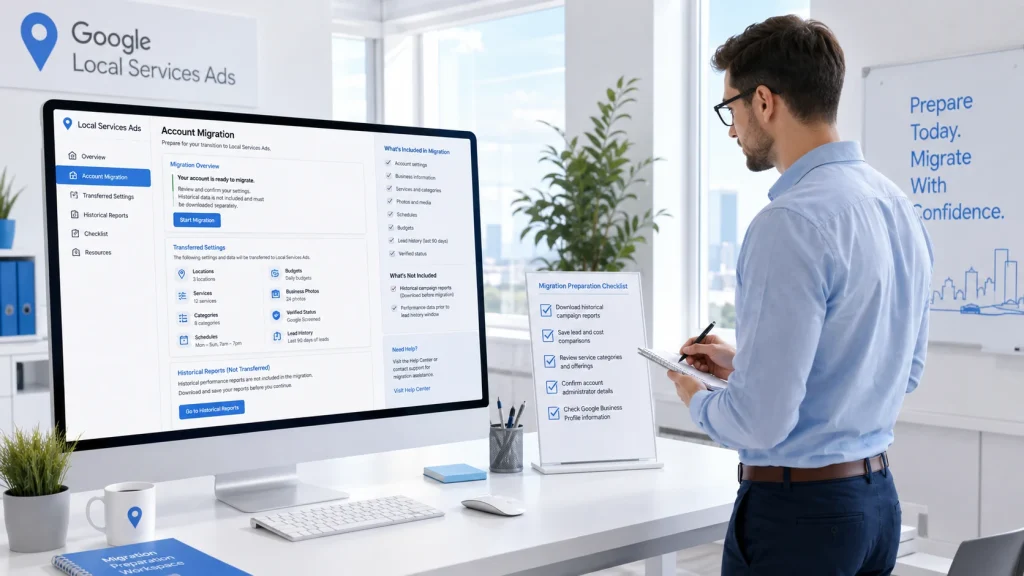
Google will automatically transfer locations, services, categories, schedules, budgets, and business photos. Verified status and previous customer lead history will also carry over.
However, historical performance reports won’t move into Google Ads, and access to the old dashboard will end after migration.
Before the account moves, advertisers should:
- Download historical campaign reports
- Save lead and cost comparisons
- Review current service categories
- Confirm account administrator details
- Check Google Business Profile information
Google will notify account administrators before migration, but waiting until the final notice may create unnecessary pressure. Early preparation makes it easier to compare performance before and after the change.
Managing Budgets, Leads, and Bidding in One PPC Campaign
One major change is the move from an average weekly budget to an average daily budget. Google will divide the previous weekly amount by seven, while monthly spending remains limited by the daily average multiplied by 30.4.
Daily costs may still rise or fall depending on demand.
Manual bidding will no longer be supported. Google will also replace separate service-category Target CPA amounts with one campaign-level Target CPA. Businesses offering services with very different lead costs may need separate campaigns to maintain greater control.
Separating every service isn’t always the best answer. A smaller PPC campaign may have less conversion data, which can weaken the signals used by automated bidding.
Advertisers should compare lead volume, acquisition cost, close rate, and customer value before changing the campaign structure.
Lead management will also move into Google Ads. Businesses can review charged leads, calls, messages, and bookings through Lead Manager. They can also respond to inquiries and download lead information for a customer relationship management system.
Why Automation Still Needs a Reliable PPC Service

Automation can adjust bids and process available data quickly, but it doesn’t understand every business decision. It doesn’t know which services have the highest profit, which leads are most likely to close, or whether the company has enough staff to handle demand.
A reliable PPC service adds human judgment by checking:
- Whether the daily budget supports business goals
- Whether service areas are still accurate
- Whether lead quality is improving
- Whether separate campaigns are necessary
- Whether calls and messages receive fast responses
Tech Support Plus combines platform tools with practical campaign oversight. This helps businesses use automation without allowing important settings to run without review.
Measuring Results With PPC Management Services
After migration, advertisers can monitor conversions, total cost, and average cost per lead inside Google Ads. Google advises allowing up to two weeks for the migration and campaign performance to stabilize.
Businesses shouldn’t judge results from one busy or slow day. A better review compares:
- Lead volume and cost per lead
- Qualified and low-quality inquiries
- Booking or sales rate
- Performance by service and location
- Revenue generated from paid leads
Strong Google ads management services connect campaign numbers with business outcomes. A low cost per lead isn’t useful when most inquiries don’t become customers.
In the same way, a higher-cost lead may still be valuable when it produces a profitable job or long-term client.
Preparing Your Business for Google’s New Advertising Setup
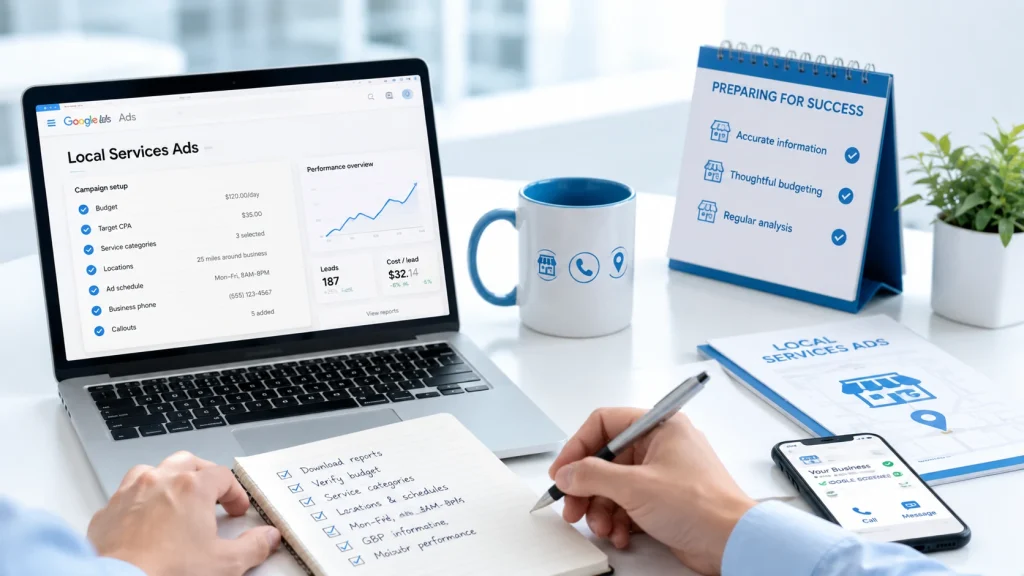
Start by downloading historical reports before they disappear from the old dashboard. After migration, verify the daily budget, Target CPA, service categories, locations, schedules, phone number, photos, and callouts.
Google recommends reviewing transferred settings because some ads may start running immediately.
Businesses should also keep their Google Business Profile accurate. Core details such as the business name, physical address, and standard hours sync into Google Ads. Significant changes may require verification and can temporarily pause the campaign.
Google PPC campaigns are becoming more automated and connected, but successful advertising still depends on accurate information, thoughtful budgeting, and regular analysis.
Tech Support Plus IT Services Canada helps businesses prepare for platform changes, manage paid leads, and improve campaign decisions with clear reporting. Contact us today to strengthen your advertising setup and stay ready for Google’s new local services ads experience.