

PPC reporting are changing fast because customers no longer move in a straight line from ad click to purchase. A person may see your ad today, read reviews tomorrow, search your brand next week, and then contact you after seeing another result on Google. The problem is simple but serious. Many businesses still measure ads as if one click tells the whole story.
This is where many Canadian brands get stuck. You may be spending money on paid ads, but the report only shows clicks, impressions, and conversions. Those numbers matter, but they do not always explain what truly influenced the customer. In today’s AI-driven search journey, proving value means looking deeper.
Why AI-Driven Journeys Are Changing Paid Ad Reporting
AI search, social media, video content, reviews, and local listings now shape how people make decisions. Customers may ask AI tools for recommendations, compare brands across search results, visit your website, leave, and come back later through a branded search.
This makes paid ad reporting more complex. One channel may get credit for the lead, but another channel may have created the trust. For example, a customer may first discover your business through a paid ad but only convert after reading your reviews or searching your company name. That is why businesses need to measure the full journey, not just the final click.
Why Canadian Businesses Need Better PPC Reporting

In Canada, competition is strong across many local markets. Whether your business serves Vancouver, Toronto, Calgary, Edmonton, Ottawa, or other areas, customers often compare several options before taking action.
Better reporting helps answer important questions such as the following:
- Which ads create real interest?
- Which keywords bring quality leads?
- Which locations respond best?
- Which landing pages help people convert?
- Which campaigns support long-term growth?
Local intent also matters. A person searching for a service near them may behave differently from someone doing early research. This is why ad strategy should connect with local SEO, location pages, and customer behavior in Canada.
Good reports should not only show where the click came from. They should show how paid ads support visibility, trust, and actual business results.
The Difference Between Attribution and Real Business Impact
Attribution means giving credit to the touchpoint that led to a conversion. Impact means understanding what truly helped create that conversion.
These are not always the same.
For example, branded search may get the final credit because the customer typed your company name before contacting you. However, that customer may have learned about your brand from a paid ad, a social post, or a review. If you only look at the final click, you may think the paid ad did not help.
That is risky. It can lead businesses to cut the wrong budget or keep spending on campaigns that look good but do not create real growth.
A stronger report should show both:
- What received conversion credit
- What helped influence the customer
- What created qualified leads
- What supported sales or bookings
This gives business owners a clearer view of what is working.
How CRM Data Helps Prove Lead Quality
Lead volume is not enough. A campaign can generate many forms, but not every form becomes a real customer. Some leads may be weak, unqualified, or not ready to buy. This is why connecting ad data with CRM data is important. It helps you see which campaigns bring leads that actually move forward.
For example, CRM tracking can show:
- Which leads became booked calls
- Which inquiries turned into sales
- Which locations produced better customers
- Which keywords attracted serious buyers
- Which ads brought repeat or higher-value clients
This is also why digital marketing services in Canada should include better tracking, not just campaign setup. Paid ads become more valuable when you can connect traffic to revenue.
Why Smart Testing Matters in Every PPC Campaign
A PPC campaign should not only chase cheap clicks. Cheap traffic is not useful if it does not bring real customers. Smart testing helps businesses understand what changed because the ad existed. This can include testing different locations, comparing branded search lift, reviewing direct traffic, and checking whether more people search for your brand after seeing ads.
Testing also helps answer one powerful question: Did the ad create new demand or only capture people who were already going to convert? This helps businesses make better budget decisions.
How Google PPC Campaigns and Automation Need Human Review
Google PPC campaigns now use more automation, AI suggestions, and smart bidding. These tools can help reach more people, but they still need human review. Automation can optimize toward the wrong goal if the tracking setup is weak. For example, it may count low-quality form submissions as success. It may also spend more on placements that bring clicks but not serious leads.
Human review helps check:
- Conversion actions
- Search terms
- Landing page quality
- Audience signals
- Lead quality
- Budget performance
- Sales outcomes
AI can help campaigns move faster, but strategy keeps them moving in the right direction.
Measuring PPC Success in an AI-Driven World
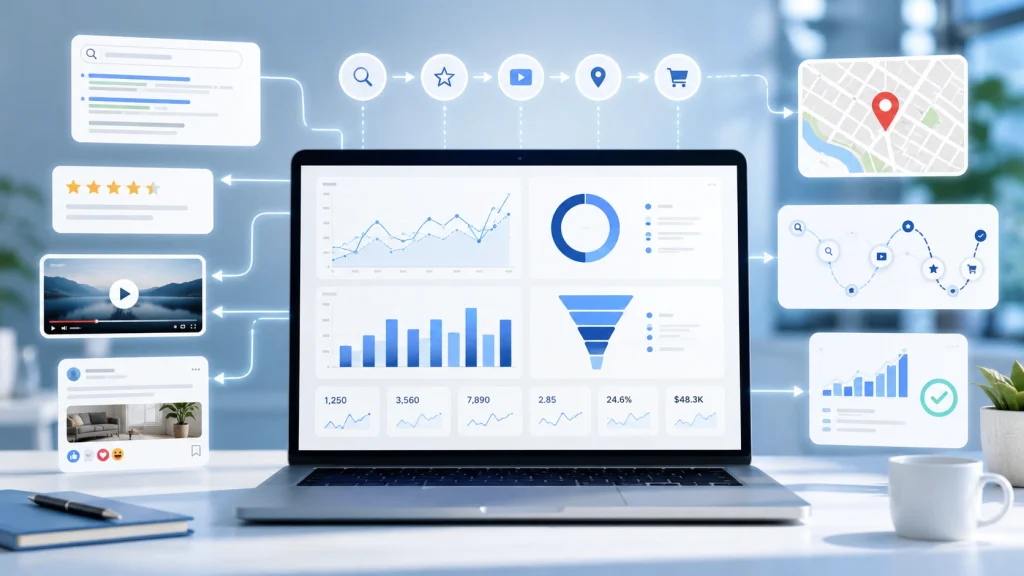
AI-driven journeys are changing how businesses prove ad value. Clicks and conversions still matter, but they no longer tell the full story. Canadian brands need better tracking, smarter reporting, CRM insights, and regular testing to understand what really drives growth.
At Tech Support Plus IT Services Canada, we help businesses make paid advertising easier to understand and easier to measure. Our team builds digital marketing solutions that connect strategy, tracking, and performance. If your business wants clearer reports and stronger results, our PPC marketing services can help you turn ad spend into real business growth.